TL;DR Summary of Top Consumer Trends to Watch in the Next 2-3 Years
Optimixed’s Overview: Emerging Consumer Behaviors Shaping the Future of Retail and E-commerce
1. Consumer Control and Privacy Take Center Stage
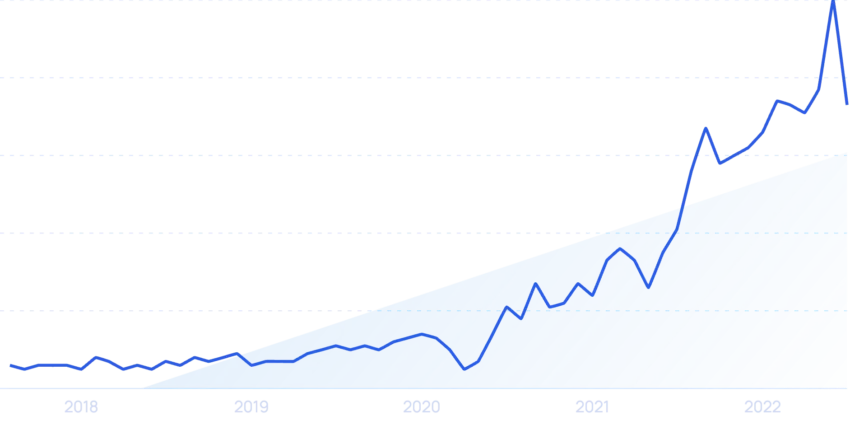
Consumers are demanding greater control over their personal data, with significant growth in searches related to data privacy. Legislation like the CCPA and initiatives by tech giants such as Apple reflect this shift. Privacy concerns now often outweigh convenience, influencing purchasing decisions and trust.
2. Enhanced Shopping Experiences through Technology
- Augmented Reality (AR): Virtual try-on features are revolutionizing online shopping, increasing engagement and conversion rates significantly.
- Voice Commerce: Voice-activated devices are becoming primary shopping tools, emphasizing convenience and ease of purchase.
- Digital Wallets and Biometric Payments: Platforms like Apple Pay, Venmo, and Cash App are rapidly expanding, offering encrypted, easy payment methods preferred by consumers.
3. Local and Sustainable Shopping Gains Popularity
There is a rising trend for hyperlocal delivery and supporting local businesses online, driven by consumer desires for community and convenience. Additionally, sustainability is a driving force with increased consumer willingness to pay more for eco-friendly products and packaging. Brands like Allbirds lead by showcasing carbon footprints to appeal to environmentally conscious buyers.
4. The Growth of Secondhand Markets and Flexible Payments
- Secondhand Goods: Resale markets, particularly in fashion and home furnishings, are expanding rapidly, supported by platforms like ThredUp and Chairish.
- Buy Now, Pay Later (BNPL): BNPL options are gaining widespread adoption, especially among Millennials and Gen Z, despite growing concerns and regulatory scrutiny.
5. Direct-to-Consumer Sales and Brand Loyalty Evolution
Direct-to-consumer (DTC) sales are dramatically increasing, allowing brands to engage customers directly and save on traditional retail costs. However, brand loyalty has weakened post-pandemic, prompting companies to revamp loyalty programs by offering flexible rewards and exclusive experiences to retain customers.
Conclusion
Technology is the common thread driving these consumer trends. From fintech innovations to immersive shopping experiences, and from sustainability to payment flexibility, businesses must adapt to these evolving preferences to thrive in the coming years. The pandemic accelerated these shifts, but many are expected to persist, shaping the future of retail and e-commerce.