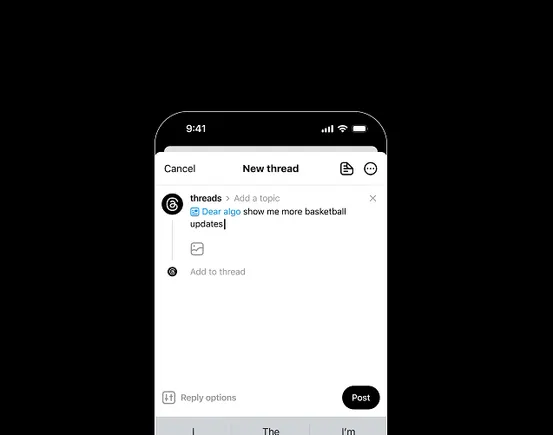
TL;DR Summary of Threads Introduces “Dear Algo” Feature to Temporarily Customize Your Feed
Optimixed’s Overview: How “Dear Algo” Could Redefine User Control Over Social Media Feeds
Introducing Conversational Feed Customization on Threads
Threads has launched an innovative approach to feed personalization by allowing users to communicate directly with the app’s algorithm through public posts beginning with “Dear algo”. This method temporarily adjusts the content users see based on their expressed preferences, offering a fresh take on algorithm interaction.
Key Features and Functionality
- Temporary Feed Adjustment: User requests influence the feed for up to three days, providing short-term control over content visibility.
- Public Transparency: These “Dear algo” posts appear on users’ timelines and can be viewed and shared by followers, fostering community engagement.
- Potential Long-Term Influence: Continued interaction with preferred content may lead the algorithm to adopt more permanent changes aligned with user interests.
- Early Testing and Expansion: Currently limited to select users, Threads plans to broaden access as the feature evolves.
Context Within the Social Media Landscape
This feature is part of a wider industry movement toward AI-driven personalization tools. Platforms like YouTube and X have introduced similar initiatives to refine content delivery, while Instagram explores topic-based feed preferences. Threads’ conversational approach distinguishes it by simplifying user input into natural language requests.
Potential Impact and User Behavior Insights
While offering explicit control over algorithms addresses common user frustrations, historical trends suggest that most users may not frequently utilize such tools. The real breakthrough lies in providing users with a sense of agency, potentially reducing dissatisfaction even if active customization remains limited.
Ultimately, “Dear algo” represents a valuable experiment in enhancing user experience by balancing algorithmic curation with direct user feedback, which could influence future social media platform designs.