TL;DR Summary of How to Track Your Brand Visibility Across AI and Large Language Model Platforms
Optimixed’s Overview: Navigating the New Frontier of AI-Driven Brand Visibility Monitoring
Why LLM Tracking Matters in Today’s Digital Landscape
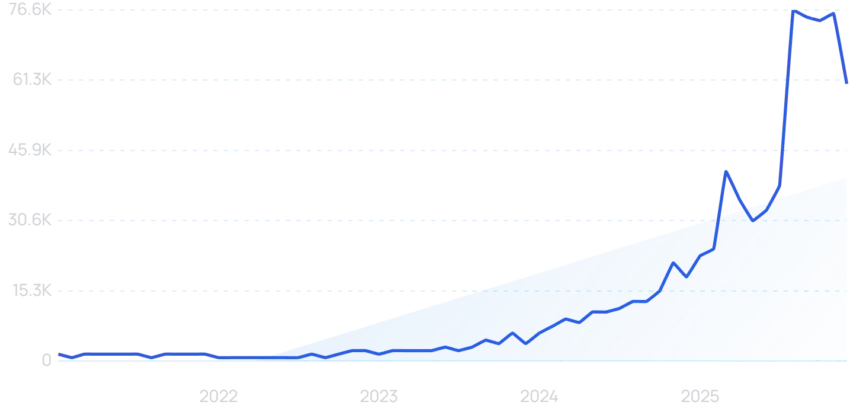
As AI-powered platforms increasingly serve direct answers to users, brands can no longer rely solely on traditional SEO metrics like keyword rankings. Instead, understanding how your brand is represented in large language model (LLM) outputs is critical to maintain competitive advantage and ensure accurate, positive brand perception in AI-generated content.
Core Metrics and Features of LLM Tracking Tools
- AI Visibility: Measures overall brand presence and identifies which website content is most cited by AI systems.
- Sentiment Analysis: Tracks whether your brand is portrayed positively, negatively, or neutrally, helping identify reputation risks.
- Competitive Benchmarking: Compares your AI share of voice against direct competitors within AI responses.
- Prompt-Level Tracking: Pinpoints specific AI queries that trigger mentions of your brand, revealing content gaps and opportunities.
Choosing the Right LLM Tracking Tool
LLM tracking solutions vary widely in scope, pricing, and additional features. Key considerations include:
- Platforms Tracked: Some tools monitor ChatGPT only, while others cover a broad spectrum including Google AI Overviews, Gemini, Claude, and more.
- Prompt Tracking Limits: Ensure the tool supports enough prompt queries to match your content optimization plans.
- Actionable Insights: Beyond data, look for tools that offer concrete recommendations and topic opportunities.
- Historical Data Retention: Longer data history enables trend analysis and measurement of optimization impact over time.
- Reporting and Professional Services: Some platforms provide detailed reports and strategic support suitable for enterprises or agencies.
Top LLM Tracking Tools to Consider
- Semrush AI Visibility Toolkit: Combines SEO and AI visibility tracking, ideal for marketing teams seeking integrated insights.
- Profound: Scalable plans starting with ChatGPT tracking, plus built-in content optimization and earned media opportunities.
- Ahrefs Brand Radar: Best for existing Ahrefs users wanting seamless LLM integration for brand monitoring.
- Scrunch AI: Comprehensive multi-platform coverage with detailed sentiment and source analysis.
- Passionfruit Labs: Focuses on linking AI visibility directly to revenue attribution and actionable optimization tips.
- OmniSEO by WebFX: Combines LLM tracking with white-glove professional services and strategic guidance.
- AI Product Ranking (Free): Useful for initial assessments and small businesses tracking product category presence.
- HubSpot AEO Grader (Free): Offers unlimited free reports with competitive benchmarking and sentiment insights.
Maximizing Your AI Visibility Efforts
After selecting and implementing an LLM tracking tool, take these steps to maximize impact:
- Establish Baselines: Record initial visibility, share of voice, and sentiment metrics.
- Identify Content Gaps: Compare competitor mentions to uncover prompt areas where your brand is missing.
- Prioritize High-Value Prompts: Focus on queries with strong commercial intent to enhance conversion potential.
- Connect Data to Outcomes: Use analytics to track AI-driven traffic and conversions, refining strategies accordingly.
Final Thoughts
LLM tracking represents a crucial evolution for digital marketers adapting to AI-driven search behavior. Starting with free tools can provide a helpful baseline, while platforms like Semrush offer robust data and actionable insights to grow your AI presence. Early adoption and continuous optimization will position your brand strongly as AI continues to reshape the search landscape.