TL;DR Summary of Practical AI Workflows for Automating Business Tasks and Streamlining Development
Optimixed’s Overview: Harnessing AI and Modern Development Tools to Revolutionize Workflow Automation and Product Shipping
Automating Business Operations with AI and MCPs
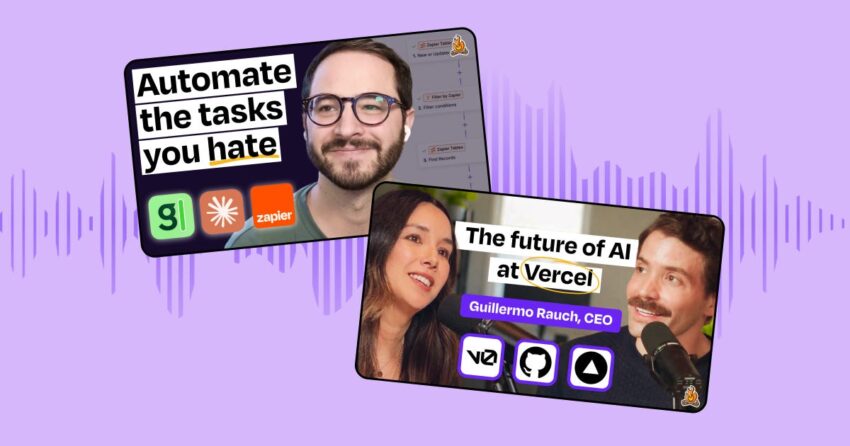
Reid Robinson of Zapier introduces a practical approach to AI automation by leveraging Modular Connector Protocols (MCPs) as app connectors that enable AI to interact with multiple applications. By pairing MCPs with Claude Projects, Reid builds workflows that provide clear instructions and sequences for AI tools, allowing them to execute complex tasks such as:
- Automatic CRM updates including meeting notes and customer data management
- AI-assisted meeting preparation to streamline agendas and notes
- Self-improving customer feedback analysis and knowledge base maintenance
This approach shifts the mindset from manually using AI toward creating persistent systems that operate autonomously, freeing teams from repetitive administrative burdens.
Production-Ready Development with v0 and Git Integration
Guillermo Rauch, CEO of Vercel, showcases how the v0 platform has evolved into a full-fledged development environment that supports the entire Git workflow: branching, previews, and pull requests. This innovation enables:
- Building, reviewing, and shipping features without traditional local environment setups
- Non-technical team members contributing safely to production code
- Rapid feature development with simple prompts, demonstrated by adding a five-star rating system with minimal instructions
- Creation and deployment of large-scale projects like skills.sh, an AI skills marketplace with tens of thousands of submissions
By removing setup friction and democratizing the development process, v0 empowers modern product teams to ship faster and more collaboratively.
The Future of AI-Driven Workflows and Development
Both Reid and Guillermo emphasize a future where AI systems run continuously and reliably in the background, automating more complex workflows and enabling asynchronous task execution. Upcoming capabilities in v0 aim to facilitate building intelligent agents that leverage workflow engines, bridging the gap between visual applications and headless agents. This evolution promises to further transform how teams create, manage, and deliver software and business processes.