TL;DR Summary of EU Antitrust Actions Against Meta’s AI Restrictions on WhatsApp
Optimixed’s Overview: Navigating EU Antitrust Scrutiny and Diplomatic Tensions in Social Media AI Competition
EU’s Challenge to Meta’s AI Policies on WhatsApp
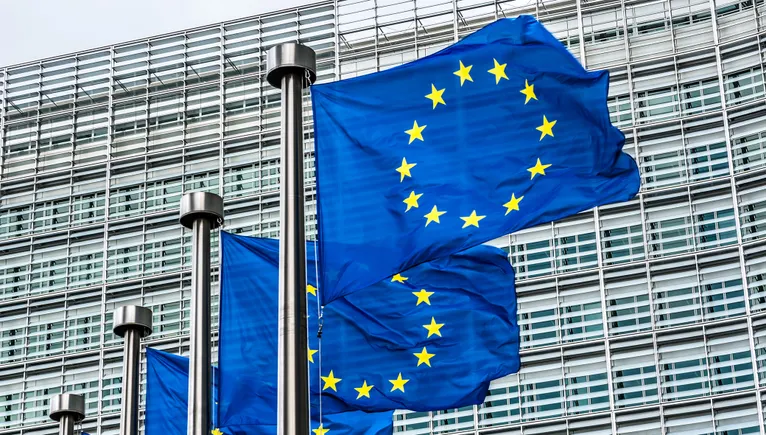
The European Commission has issued a Statement of Objections against Meta, alleging that its updated WhatsApp Business Solution terms unfairly exclude third-party AI assistants, thereby breaching competition laws. Since January 15, 2026, only Meta’s own AI assistant is allowed on WhatsApp, preventing competitors from entering or expanding in the EU market for AI tools.
Implications for Market Competition and Regulation
- Market dominance concerns: Meta’s exclusionary practices threaten to stifle innovation and reduce consumer choice in AI-driven communication services.
- Interim regulatory measures: The EU plans to impose temporary restrictions to mitigate market harm while awaiting Meta’s response.
- Complex regulatory environment: Social media companies face evolving and extensive EU rules on data, competition, and content moderation, often criticized as overly burdensome or financially motivated.
Wider Diplomatic and Economic Context
The EU’s aggressive penalties and regulations targeting American tech giants like Meta and X (formerly Twitter) have sparked diplomatic friction, particularly with officials from the Trump administration criticizing these foreign measures. Many observers suggest some regulations serve as economic tools to recapture local advertising revenues and tax contributions from dominant U.S. platforms.
Meta’s efforts to engage politically, including courting Trump allies, highlight the high stakes involved. With annual fines exceeding $1 billion in Europe and ongoing disputes over AI assistant access, this saga underscores the growing intersection of technology regulation, international trade, and geopolitics.