TL;DR Summary of LinkedIn’s Insights on AI Adoption in the Workforce
Optimixed’s Overview: Realistic Perspectives on AI Integration in Modern Business Environments
Understanding the Current State of AI Adoption
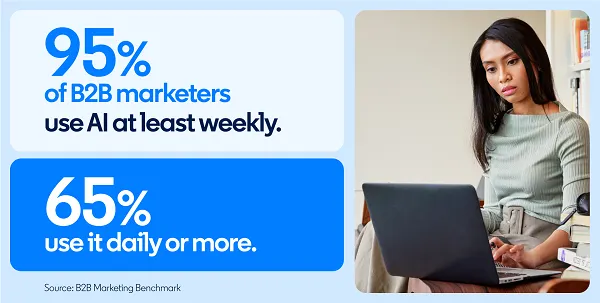
LinkedIn’s recent survey and industry analyses provide a nuanced view of how artificial intelligence tools are being adopted across professional sectors, particularly in B2B marketing. Despite widespread usage, there is a clear gap in confidence and expertise among users, including leadership roles such as CMOs.
- Expertise Levels: Only 32% of professionals consider their AI skills “extremely good,” and just 38% of CMOs feel highly confident in this area.
- Training Needs: This skills gap underscores the importance of ongoing education, with platforms like LinkedIn Learning offering AI-focused courses to help bridge it.
AI as a Productivity Enhancer, Not a Replacement
While AI technologies such as generative AI have generated significant excitement, real-world feedback suggests their role is supportive rather than transformative:
- Complementary Use: AI tools excel when used by experts who can interpret, validate, and refine AI-generated outputs.
- Limitations: AI has not yet reached a point where it can fully replace human skill and judgment in complex professional tasks.
Mixed Outcomes and the Future of AI in the Workplace
Independent studies reinforce the complexity of AI’s impact on business productivity and employee workload:
- Adoption vs. ROI: Though 95% of US companies have adopted generative AI, nearly a third remain unsure about its return on investment.
- Retention Challenges: 42% of companies have abandoned AI tools post-adoption, highlighting integration difficulties.
- Workload Effects: Research indicates AI can increase productivity but may also intensify workloads, potentially contributing to employee burnout.
In summary, while AI offers promising enhancements for business processes, its current effectiveness depends heavily on informed human collaboration and realistic expectations about its capabilities and limitations.