TL;DR Summary of Russia Blocks WhatsApp, Facebook, Instagram to Enforce Use of Government-Owned Messaging App
Optimixed’s Overview: How Russia’s Social Media Restrictions Are Reshaping Digital Communication
Background on the Blockade
In a strategic effort to dominate the social media landscape within its borders, Russia has escalated restrictions on foreign-owned platforms by removing WhatsApp, Facebook, and Instagram from its official internet directory managed by Roskomnadzor. This action makes these services virtually inaccessible without VPNs or other technical workarounds.
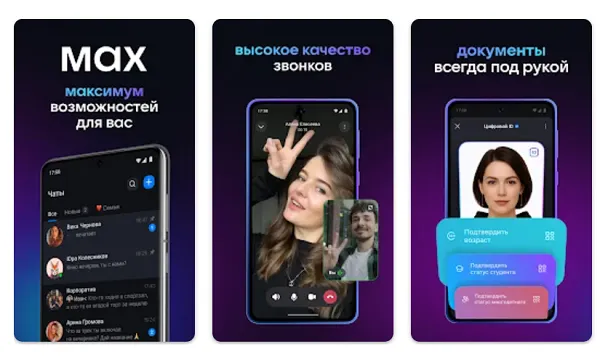
Push for the Max App
- Government Mandate: Since August last year, the Kremlin has required the Max app to be pre-installed on all new phones sold in Russia.
- Control and Surveillance: The Max app serves as a centralized platform, enabling the government to monitor communications and restrict unapproved content.
- Replacement of Major Platforms: Alongside WhatsApp, other platforms like Telegram and Snapchat have also been forced out of the Russian market.
Implications for Users and Information Flow
The blocking of these platforms represents a significant loss for both users and content providers. Meta, the parent company of Facebook and Instagram, stands to lose over 100 million users in Russia. More critically, Russian citizens will face diminished access to independent news and international perspectives, reducing the diversity of information and potentially increasing government propaganda influence.
Broader Significance
This development underscores the immense power of social media as a tool for information and influence in today’s digital age. Russia’s tightening grip highlights ongoing global tensions between state control and digital freedom, revealing how governments may leverage technology to shape public discourse and control narratives.