TL;DR Summary of How Google Defines Unique, Authentic, and Non-Commodity Content for SEO Success
Optimixed’s Overview: Elevating Your SEO with Authentic, Specific, and Unique Content Strategies
Understanding the Difference Between Commodity and Non-Commodity Content
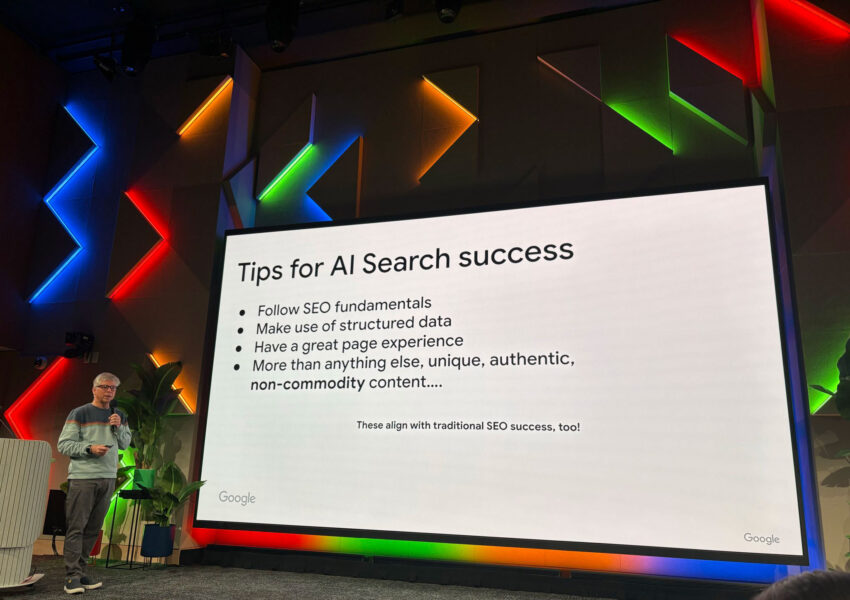
At a recent Google Search Central event, Danny Sullivan highlighted the critical importance of producing content that is unique, authentic, and non-commodity. This means moving beyond generic advice and offering insight that others cannot easily duplicate. The key characteristics of valuable content include:
- Unique: Content that presents original viewpoints or information unavailable elsewhere.
- Specific: Focus on particular instances, cases, or real situations instead of general rules or broad tips.
- Authentic: Demonstrates first-hand knowledge or expertise, showing deep understanding.
Industry Examples Highlighting Effective Non-Commodity Content
To clarify, Sullivan provided practical examples contrasting commodity content with non-commodity content in various fields:
- Running Store: Generic lists on shoe buying are commodity content, whereas an in-depth analysis of a customer’s shoe wear pattern after 400 miles offers unique, specific insights.
- Real Estate: Standard homebuyer tips are commodity, but sharing a firsthand story about waiving an inspection based on a personal sewer line inspection offers authenticity and specificity.
- Interior Design: Showcasing popular kitchen trends is commodity content. Explaining why marble was rejected for a family with toddlers, supported by real stain tests, exemplifies authentic, non-commodity content.
Implications for SEO Content Strategy
Google’s guidance signals that successful SEO today is less about just ticking technical boxes and more about investing in content strategies driven by expertise and original experience. Brands and creators should allocate resources to develop content that genuinely educates or informs with fresh perspectives tailored to their audience’s specific needs. This approach not only aligns with Google’s evolving standards but also enhances user trust and engagement.