TL;DR Summary of Anthropic Implements Watermarking for Claude AI Text
Optimixed’s Overview: Anthropic’s Global Rollout of Invisible Watermarking Enhances AI Content Transparency
Anthropic’s Compliance with EU AI Regulations
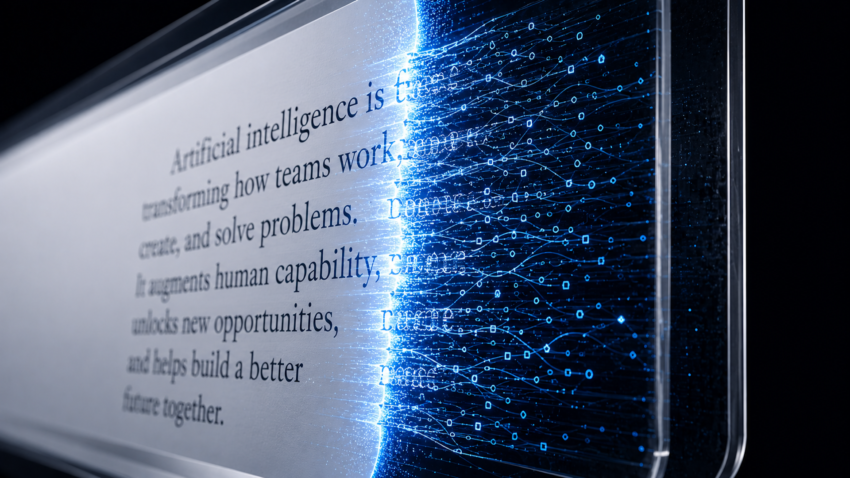
To meet the European Union’s AI Act transparency requirements, Anthropic has begun embedding invisible, machine-readable watermarks into output from its Claude AI models. This initiative started with models launched in the EU after August 2 and now extends globally across all Claude services, including the Claude API, Claude Code, Claude Cowork, and Claude Tag.
How the Watermarking Works
- Invisible and Non-intrusive: The watermark does not alter the meaning, readability, or quality of the generated text.
- Persistent Marking: Because the watermark is embedded in the text itself, it remains intact when text is copied, pasted, or partially edited.
- Multi-format Support: Supported image outputs (PNG, JPG, SVG) also include signed provenance metadata for authenticity verification.
Detection and Limitations
Anthropic plans to release detection tools and technical documentation to help users and third parties identify watermarked content. However, the presence of a watermark only indicates that the content may have been processed by Claude AI—it does not confirm original authorship. Conversely, the absence of a watermark does not guarantee that content was not AI-generated, especially if text is heavily edited or metadata is removed.
Implications for AI Content Transparency
As Claude is widely used for generating and editing marketing and other textual content, embedding watermarks could significantly improve transparency around AI-generated materials. This development may influence how AI-created content is disclosed and identified across industries, potentially setting a new standard for responsible AI content management.