TL;DR Summary of New Regulations Targeting Social Media Influencers in Asia
Optimixed’s Overview: How Asia’s Influencer Regulations Contrast with Western Free Speech Trends
Emerging Policies to Control Misinformation from Social Media Influencers
In response to growing concerns about misinformation and social division, Asian governments are adopting new approaches to regulate the influence of online creators. China and South Korea have introduced or are considering policies that restrict who can speak authoritatively on sensitive topics via social media.
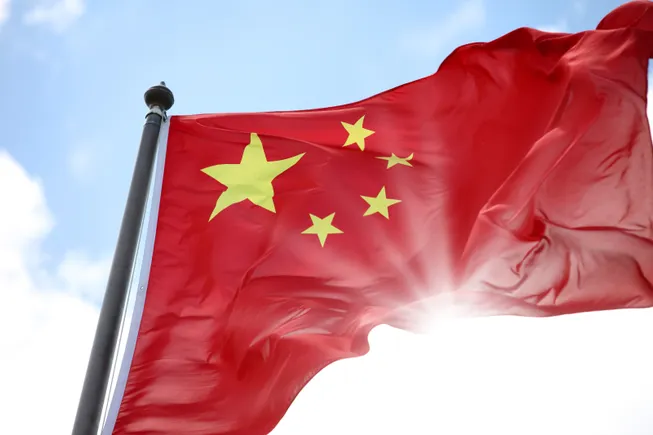
- China’s Cyberspace Administration enforces laws requiring influencers in fields like medical, financial, legal, and educational content to verify their professional credentials before broadcasting. Non-compliance can lead to fines up to $14,000 USD.
- South Korea is exploring measures to bar foreigners who post hateful or false content about the country from entering, following high-profile incidents involving foreign influencers.
Contrasting Approaches: Asia vs. The U.S.
Meanwhile, the United States has moved towards relaxing content moderation on major platforms. Platforms like Meta have dismantled fact-checking programs and eased posting rules amidst political pressures for less censorship. This permissive environment has coincided with increased influence of controversial figures who often spread misinformation without accountability.
Such differences illustrate a complex balance between protecting free speech and mitigating harm from misinformation. While Asian policies emphasize qualification and accountability to preserve social stability, Western approaches prioritize freedom of expression, sometimes at the cost of increased social division.
The Broader Implications
As social media amplifies voices regardless of expertise, the risk of misinformation shaping public opinion and political outcomes grows. This presents a pressing dilemma for democracies worldwide on how to regulate content creators without undermining fundamental freedoms. The divergent paths taken by Asia and the West offer valuable insights into potential strategies and consequences in managing the digital information landscape.