TL;DR Summary of How to Build a Winning E-commerce SEO Strategy in 2024
Optimixed’s Overview: Mastering E-commerce SEO for Sustainable Growth and AI Search Success
Introduction to E-commerce SEO
E-commerce SEO is a specialized form of search engine optimization focused on boosting online store visibility to attract buyers organically. Unlike standard SEO, it requires a broad, multi-page strategy covering thousands of product and category pages, each targeting different buyer intents—transactional, informational, or browsing.
Key Foundations of E-commerce SEO
- Technical SEO: Ensures Google can crawl and index your store efficiently.
- On-page SEO: Tailors page content and metadata to match specific search queries and buyer intent.
- Content Strategy: Builds topical authority through relevant, informative content that supports product and category pages.
Stock Products with Growing Search Demand
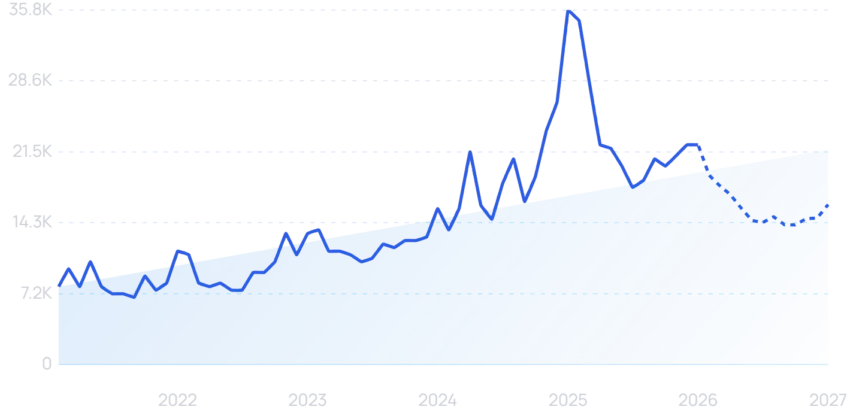
Before optimizing existing pages, identify trending products using tools like Exploding Topics. Prioritizing products with rising search interest allows you to build topical authority and SEO groundwork early, gaining a competitive advantage.
Matching Search Intent with Page Types
Successful E-commerce SEO requires mapping search queries to three distinct page types:
- Category Pages: Target broad, mid-funnel browsing queries (e.g., “men’s trail running shoes”).
- Product Pages: Focus on specific, transactional queries ready to convert buyers (e.g., “Brooks Cascadia 18”).
- Blog/Buying Guides: Capture top-funnel informational queries that educate early-stage shoppers.
Proper intent alignment prevents keyword cannibalization and confusion for search engines.
Site Structure and URL Strategy
Organize your site hierarchy logically (homepage → category → subcategory → product) with human-readable URLs reflecting this structure. Manage faceted navigation carefully using canonical or noindex tags to avoid duplicate content and inefficient crawl budgets.
Internal Linking Best Practices
Use internal links strategically to pass authority from blog and category pages to product pages. Employ descriptive anchor text reflecting the destination page’s content. Regularly audit for orphan pages to ensure all important content is discoverable by search engines.
On-Page SEO Essentials
- Unique, keyword-rich title tags and user-focused meta descriptions.
- Original, problem-solving product descriptions to avoid duplicate content penalties.
- Implement structured data such as Product, Offer, Review, and Breadcrumb schema to enable rich snippets and AI readability.
- Optimize images with descriptive alt text and compression for fast loading and better rankings.
Content Marketing for Topical Authority
Create authoritative informational content around trending topics and questions to build trust and topical authority. Use trend analysis tools to identify emerging interests and develop content early, boosting your presence before competitors. Link this content internally to relevant category and product pages to funnel authority.
Adapting to AI-Powered Search
AI-driven shopping assistants and chatbots now shape product discovery. To maximize visibility:
- Ensure AI bots can crawl your site by allowing them in your
robots.txt. - Maintain accurate, comprehensive structured data and synchronized product feeds (e.g., Google Merchant Center).
- Craft clear, detailed content that answers specific user needs, enhancing chances of AI citations.
- Encourage robust user reviews and ratings as these influence AI product recommendations.
Measuring E-commerce SEO Success
Track performance using tools like Google Search Console for impressions and clicks, and analytics platforms for organic revenue and assisted conversions. Monitor technical metrics such as Core Web Vitals and crawl coverage continuously. For a comprehensive view, combine traditional ranking data with AI visibility insights using advanced SEO platforms.
Conclusion
A winning E-commerce SEO strategy in 2024 requires a balanced approach combining technical excellence, content authority, and adaptability to AI search trends. Consistency and ongoing optimization are key to sustaining and growing organic traffic and sales in an evolving digital landscape.