Source: Social Media Today – Latest News by Andrew Hutchinson. Read the original article
TL;DR Summary of Motion Picture Association Demands ByteDance Restrict AI Video Tool to Protect Copyright
The Motion Picture Association (MPA) has formally demanded that ByteDance restrict its AI video generation tool, Seedance 2.0, from creating unauthorized scenes featuring copyrighted movie characters. The MPA argues this use constitutes massive copyright infringement and threatens creators’ rights. ByteDance claims to respect copyrights but has yet to implement sufficient safeguards. This conflict highlights the broader intellectual property challenges posed by generative AI technologies.
Optimixed’s Overview: Navigating Copyright Challenges in the Era of AI-Generated Video Content
Emerging Copyright Conflicts with AI Video Generation Tools
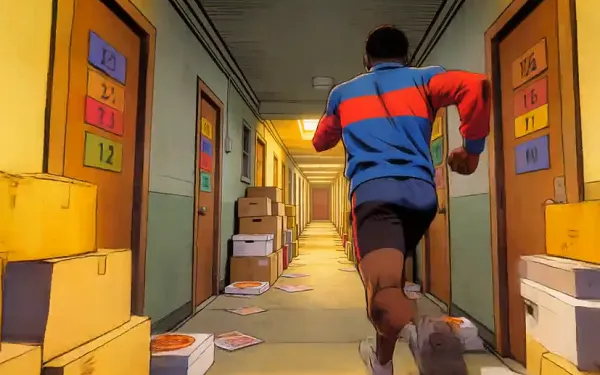
The rapid advancement of AI-powered tools like ByteDance’s Seedance 2.0 has enabled users to create highly realistic video scenes derived from text prompts. While impressive, these capabilities raise serious concerns among content owners about unauthorized use of their intellectual property (IP).
The Motion Picture Association’s Response
- Cease and desist demand: The MPA, representing major studios such as Disney, Sony, Universal, and Netflix, sent a strongly worded letter demanding ByteDance stop training its AI on copyrighted movies and TV shows.
- Call for safeguards: The MPA insists ByteDance implement robust measures preventing users from generating infringing content.
- Escalation of enforcement: This action follows initial warnings and public statements emphasizing the scale of unauthorized use.
Broader Implications for AI and Intellectual Property Rights
The dispute underscores a growing tension between AI innovation and IP protection:
- Many AI models train on vast datasets, including copyrighted works, sometimes accessed without proper authorization.
- Content creators face challenges in protecting their work amid automated reproduction of familiar characters and scenes.
- Resolving these conflicts likely requires extensive legal efforts and regulatory frameworks tailored to AI technologies.
As AI-generated media becomes more sophisticated, balancing innovation with respect for creators’ rights remains a critical and complex issue for the entertainment industry and beyond.