TL;DR Summary of Master E-commerce Demand Forecasting and Trend Spotting with 2Modern’s Design Insights
Optimixed’s Overview: How Data-Driven Trend Forecasting Elevates E-commerce Inventory and Design Curation
Understanding the Dynamics of Modern E-commerce Demand Forecasting
E-commerce demand forecasting is essential for predicting product demand and making informed decisions about inventory, purchasing, and marketing. Traditional reliance on historical sales data is insufficient in today’s fast-paced market, especially with viral platforms accelerating trend cycles. Combining historical data with forward-looking trend signals enables brands to reduce capital tied up in inventory, avoid stockouts, and seize emerging product trends early.
Six Steps to Mastering Demand Forecasting
- Define Forecasting Goals and Windows: Differentiate between short-term operational forecasts (4–12 weeks) and long-term strategic forecasts (6–12 months) to align decisions effectively.
- Pull and Clean Historical Sales Data: Gather 12–24 months of SKU-level data from e-commerce platforms and inventory systems, then clean for anomalies, stockouts, and seasonal patterns.
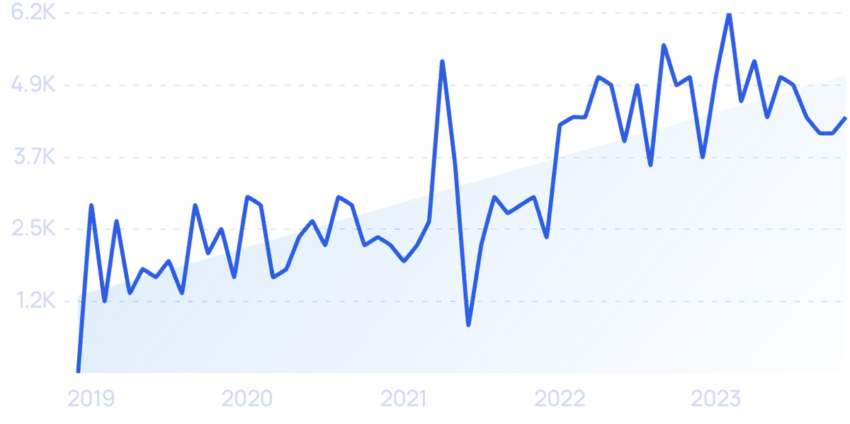
- Identify Emerging Trends: Use tools like Exploding Topics to detect growing interest in new products and adjust forecasts accordingly.
- Choose Appropriate Forecasting Methods: Blend passive (historical-based) and active (trend and external data-informed) forecasting methods, such as moving averages and seasonal indices, tailored to SKU characteristics.
- Build Forecast and Set Reorder Points: Calculate demand estimates and reorder thresholds incorporating lead times and safety stock buffers, especially critical for trend-sensitive products.
- Regularly Review and Update: Continuously compare forecasts against actual sales and refresh trend data to maintain accuracy and responsiveness.
Leveraging AI and Trendspotting Tools for Enhanced Accuracy
AI-powered forecasting solutions can analyze numerous variables simultaneously—including social media signals and competitor pricing—to produce more nuanced demand predictions. Platforms like Inventory Planner and Cin7 automate replenishment recommendations, while Exploding Topics uses AI to detect subtle shifts in consumer interest patterns, allowing brands to act swiftly on emerging opportunities.
Insights from 2Modern’s Integrated Creative and Analytical Approach
2Modern, a design-focused e-commerce company, demonstrates how blending creative vision with data analytics drives success. Their team scouts international design shows, watches fashion trends, and monitors online conversations to identify and validate emerging design aesthetics. They use tools like Exploding Topics to confirm consumer interest trends, enabling timely curation and inventory planning that aligns with both immediate and long-term customer desires.
Key Variables and Challenges in Demand Forecasting
- Seasonality: Beyond major holidays, minor seasonal shifts must be accounted for to avoid misestimating demand.
- Competitor Actions: Promotions and stockouts by competitors can unpredictably affect your demand.
- Supply Chain Disruptions: Delays can skew sales data and impact reorder timing.
- Viral Spikes: Social media-driven surges are difficult to predict and often represent anomalies.
Conclusion: Building a Smarter, Responsive Forecasting System
By systematically combining clean historical data, ongoing trend analysis, and AI-powered tools, e-commerce businesses can greatly improve inventory accuracy and capitalize on emerging trends. This integrated approach reduces uncertainty, optimizes capital allocation, and supports sustainable growth in rapidly evolving markets, as exemplified by 2Modern’s success in the competitive design industry.