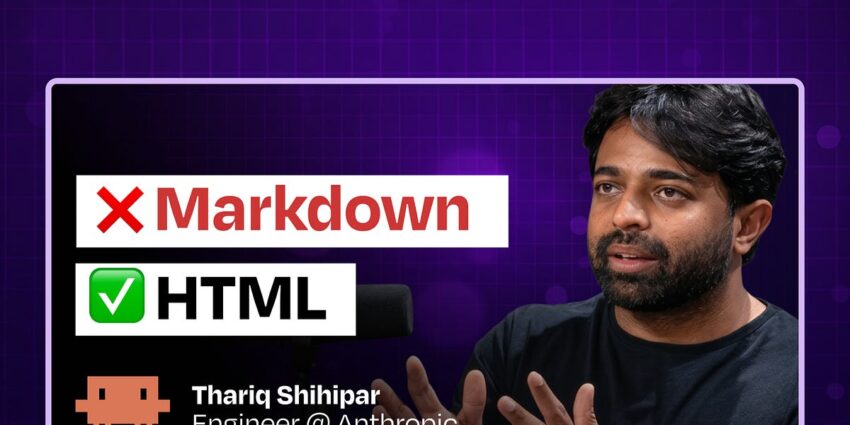
TL;DR Summary of How HTML Enhances AI Agent Planning and Workflow
Optimixed’s Overview: Transforming AI Development with Interactive HTML-Driven Workflows
Introduction to HTML in AI Planning
Thariq Shihipar, an engineer at Anthropic, explores how HTML can replace Markdown to enhance AI agent workflows. By leveraging HTML’s rich visual and interactive capabilities, teams can create more engaging and dynamic planning documents that go beyond static text.
Key Benefits of HTML over Markdown
- Interactive Brainstorming: HTML enables visual mockups and interactive demos, turning brainstorming sessions into tangible, manipulable artifacts.
- Throwaway Micro-UIs: Developers can build temporary user interfaces tailored to specific problems, streamlining focused edits and experimentation.
- Living Design Systems: HTML-based design systems remain embedded within the codebase, ensuring consistency and easy updates across projects.
- Enhanced Communication: Complex plans become more accessible and engaging, which boosts human involvement and clarity in AI project workflows.
Philosophy and Workflow
The approach emphasizes that complexity must earn its keep, advocating for just-in-time documentation and minimal constraints to maintain AI flexibility. It suggests dedicating the vast majority of AI-generated tokens to planning, interfaces, and communication, rather than production code, to foster better outcomes.
Practical Demonstrations and Tools
- Live demos illustrate how to move from brainstorming to full implementation plans using HTML.
- Techniques for embedding comments, annotations, and editable specs within HTML facilitate continuous collaboration.
- Integration with tools like Claude Code and Claude Design supports this modernized workflow.
Conclusion
Transitioning to HTML-based workflows in AI development leads to richer, more maintainable, and interactive planning artifacts. This method enhances both developer experience and product quality by fostering better communication, flexibility, and engagement throughout the project lifecycle.