TL;DR Summary of How to Avoid Dead Stock by Spotting Fads and Trends Before Buying Inventory
Optimixed’s Overview: Mastering Inventory Strategy to Minimize Dead Stock and Maximize Trend Profits
Understanding the Cost of Stocking Fads
Stocking fad products is costly because they sell out quickly and then leave you with unsellable inventory that incurs ongoing carrying costs such as storage, insurance, and lost capital. Globally, overstock and stockout issues cause a $1.73 trillion loss in retail annually, much of it linked to poor trend vetting.
Key Differences Between Fads and Durable Trends
- Fads spike rapidly and fade within weeks, often driven by viral moments without lasting consumer need.
- Trends grow steadily over months or years, reflecting deep shifts in behavior or persistent problems.
- Evaluate if a product solves an ongoing problem, if search interest grows alongside social buzz, and if it belongs to a broader trending category.
Using Exploding Topics to Filter Winning Products
Exploding Topics offers a robust product research workflow to identify sustainable inventory opportunities:
- Review trending products filtered by category and growth type to focus on steady performers.
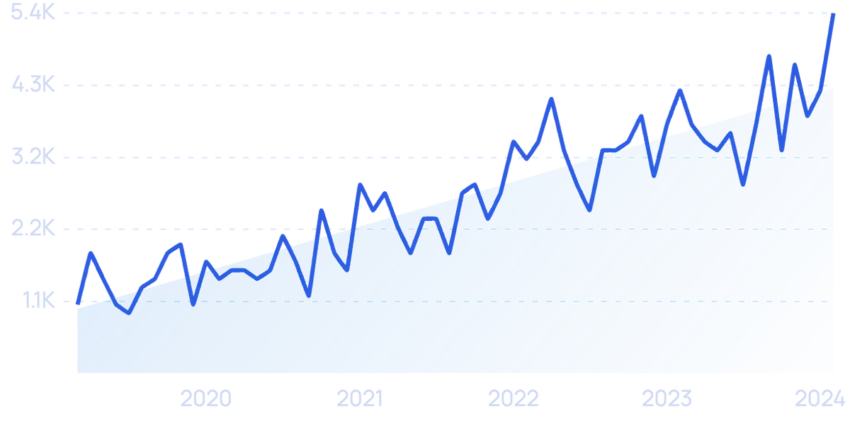
- Assess trend age and growth slope to differentiate viral spikes from durable demand.
- Check top sellers and related products to understand market competition and complementary opportunities.
- Explore related trending topics and meta trends for a broader category perspective supporting product longevity.
Layering Additional Signals for Inventory Confidence
- Cross-verify with Google Trends to confirm organic search volume consistency.
- Analyze Amazon review velocity to gauge real purchasing activity over time.
- Monitor wholesale and distributor listings as indicators of supply chain commitment to demand.
Structuring Your Buying Budget by Risk Tiers
Implement an ABC Analysis approach to allocate funds wisely:
- A-tier: Core, proven sellers with stable demand (60-70% of budget).
- B-tier: Emerging products with growth potential but some uncertainty (20-30% of budget).
- C-tier: Experimental products tested at low volume to validate demand (5-15% of budget).
This tiered strategy balances stability with the potential for breakthrough hits, reducing overall inventory risk.
Conclusion
By leveraging data-driven insights from Exploding Topics and complementary tools, E-commerce sellers can identify authentic trends early, avoid costly fad-driven dead stock, and optimize inventory investment. A disciplined, tiered buying strategy based on real growth trajectories ensures smarter inventory decisions and stronger long-term profitability.