Source: Social Media Today – Latest News by Andrew Hutchinson. Read the original article
TL;DR Summary of Meta Retires Separate Messenger Website, Shifts Messaging Back to Facebook
Meta is discontinuing its standalone Messenger website and desktop app by April 2026, redirecting users to facebook.com/messages. This move marks a shift from its earlier plan to integrate Messenger, WhatsApp, and Instagram Direct into a unified messaging platform. The change reflects Meta’s strategy to consolidate messaging within individual apps, likely influenced by recent legal victories and evolving user engagement priorities.
Optimixed’s Overview: Meta’s Strategic Shift in Messaging Platforms Signals New Integration Approach
Meta Ends Standalone Messenger Services
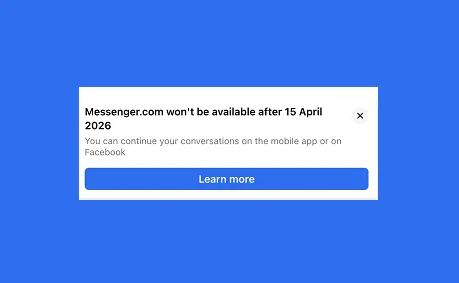
Meta has announced that the separate Messenger website (messenger.com) and desktop applications will be retired by April 2026. Users currently relying on these platforms will be redirected to Facebook’s messaging interface at facebook.com/messages, consolidating messaging services within Facebook’s main app.
Background on Meta’s Messaging Integration Plans
- Original Vision: Meta aimed to merge Messenger, WhatsApp, and Instagram Direct into a single backend, enabling a universal inbox across platforms.
- Recent Changes: Instead of progressing with full integration, Meta has reintegrated messaging into Facebook and introduced a new direct messaging inbox for Threads, indicating a pivot away from a unified platform.
Legal and Strategic Influences
Meta’s long-standing legal battle with the Federal Trade Commission (FTC) over acquisition practices likely influenced its previous integration attempts. A court ruling favoring Meta reduced the need to merge messaging platforms as a defense against potential divestiture of WhatsApp and Instagram.
Implications for Users and Meta
- For Users: Messaging remains accessible through Facebook and mobile apps, though the standalone Messenger web and desktop options will disappear.
- For Meta: Consolidating platforms reduces maintenance costs and aligns with a strategy to deepen engagement within core apps rather than separate messaging tools.