TL;DR Summary of Emerging Health Trends in 2024: AI, Fasting, Self-Care, and More
Optimixed’s Overview: Key Health and Wellness Innovations Driving Growth in 2024
1. Artificial Intelligence Revolutionizing Healthcare Delivery
Healthcare is increasingly integrating AI, with post-pandemic adoption jumping from 45% to 84% of organizations using AI technologies. Hospitals leveraging AI for care management report significant reductions in readmissions and associated costs. AI-driven diagnostics like NinesAI provide rapid alerts to radiologists, enhancing early disease detection. Startups such as Komodo Health utilize AI to map patient journeys, attracting substantial investment and market valuation.
2. The Mainstream Rise of Fasting and Supportive Products
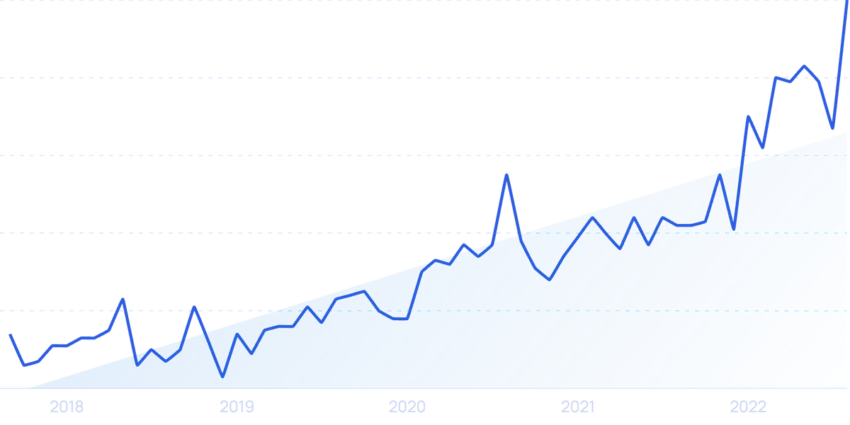
Fasting, particularly intermittent fasting, now leads dieting trends due to its benefits in fat loss, metabolic health, and longevity. Popular fasting regimens include time-restricted eating (e.g., 16:8) and longer fasts of 24 hours or more. Supporting this, apps like Zero and LIFE offer timers, coaching, and community integration, while fasting teas and kits aid adherence. The fasting meta trend extends to non-dietary fasts, including skin, dopamine, and screen fasts for holistic wellness.
3. Gen Z Drives Explosive Growth in Self-Care and Wellness Spending
- Mental and physical well-being: Meditation apps such as Calm and Headspace have surged in popularity, with valuations reaching billions.
- Skincare innovation: Both established brands and startups like DRMTLGY are benefiting from rising consumer openness to new products, fueling consistent sales growth.
- CBD and sleep enhancement: CBD usage is widespread, while sleep-focused technologies like Oura Ring and apps like SleepTown improve sleep hygiene and health.
4. Expansion of Medical Robotics and Rehabilitation Technologies
The medical robotics market is growing rapidly, with surgical robots like Intuitive Surgical’s Da Vinci system enhancing precision. Rehabilitation robots such as EksoNR and Armeo Power facilitate motor recovery and mobility for patients with neurological injuries. Innovations also include disinfection robots, nanorobots targeting antibiotic-resistant bacteria, bionic prosthetics, and hospital assistant robots improving operational efficiency.
5. Heightened Emphasis on Mental Health and Digital Solutions
Mental health concerns have surged post-pandemic, affecting over 30% of US adults with anxiety or depression symptoms. Startups like Brightline and Lyra Health are securing significant funding to expand access to mental health services. The proliferation of mental health apps, numbering between 10,000 and 20,000, reflects growing demand, with Headspace leading downloads and expanding into multimedia content.
6. Gut Health Gains Traction with Probiotics and Prebiotics
Interest in gut microbiome health has soared, driven by its link to immune function and disease prevention. Probiotics and prebiotics represent two fast-growing supplement markets, with projections reaching $85 billion and rapid growth rates respectively. This trend extends to pet health, where companies like Animal Biome offer microbiome-focused products for cats and dogs.
7. Wearable Health Technology Market Accelerates
The health wearables market is valued around $74 billion in 2024 and expected to exceed $100 billion by 2028. Devices tracking fitness and sleep increasingly adopt subscription models, exemplified by Whoop’s $30 monthly membership. Consumer interest continues to rise, supporting sustained market expansion.
Conclusion
The health and wellness sector in 2024 showcases a blend of cutting-edge technology and traditional practices gaining renewed attention. From AI-driven healthcare innovations to ancient fasting methods and expanding self-care habits, these trends illustrate a dynamic landscape focused on improving well-being through diverse approaches.