TL;DR
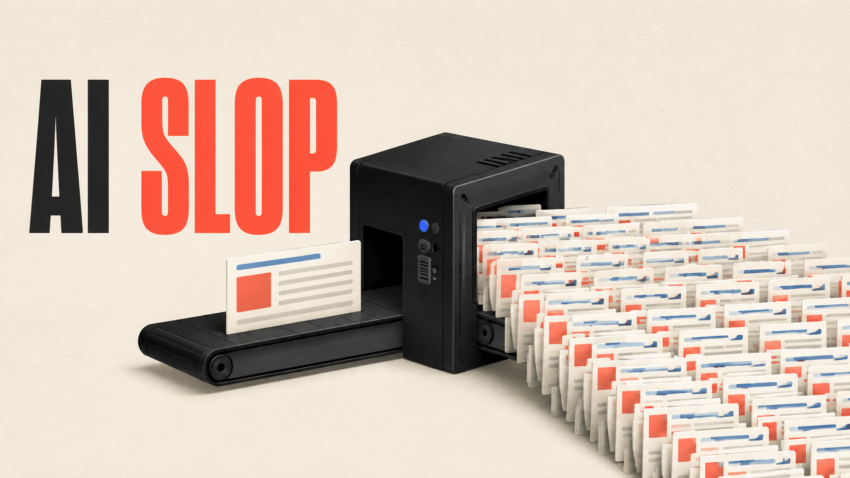
The term “AI slop” refers to low-value content generated by AI with minimal human oversight, often prioritizing speed and scale over quality. This content can include fake reviews, synthetic videos, and misleading images. The term gained traction in 2024, popularized by Simon Willison, and was recognized by Merriam-Webster in 2025. While AI-generated content is widespread, not all of it is considered slop; the distinction lies in the quality and intent behind the content. Researchers and platforms are working to address the spread of AI slop, focusing on the incentives and behaviors that drive its production.
Key Developments
- “AI slop” describes low-quality AI-generated content lacking human oversight and accountability.
- The term was popularized in 2024 and recognized by Merriam-Webster in 2025.
- AI-generated content is widespread, but not all of it is slop; quality and intent are key differentiators.
- Platforms like Google and YouTube are implementing policies to curb the spread of AI slop.
- The European Union has introduced transparency obligations for AI-generated content as of August 2026.
Optimixed Analysis
The rise of AI slop highlights the tension between rapid content production and the need for quality and accountability. While AI tools can enhance efficiency, they also risk flooding digital spaces with low-value content. The distinction between AI-generated content and AI slop is crucial, as it underscores the importance of human oversight in maintaining content integrity. Platforms and regulators are increasingly focusing on the incentives that drive the production of AI slop, suggesting a shift towards more responsible AI use. However, the challenge remains in accurately identifying and managing AI slop without stifling legitimate AI-assisted creativity.
What to Watch Next
- Further developments in AI detection and content verification tools.
- Updates on platform policies addressing AI-generated content.
- Impact of EU transparency obligations on AI content practices.