An independent newsroom for organic search, AIO, GEO, and digital marketing.
Daily reporting on the stories shaping organic search, AI Overviews, and generative engine optimization — tracked across the industry, prioritized by what matters, and written as a quick, clear read.
Filter topics

Google is letting users remove visible watermarks from AI-generated content while keeping invisible SynthID and C2PA metadata intact.

SEOFOMO News reports that OpenAI's documentation suggests ChatGPT's Fetch Bot may not be bound by robots.txt restrictions, despite evidence of it accessing blocked sites.
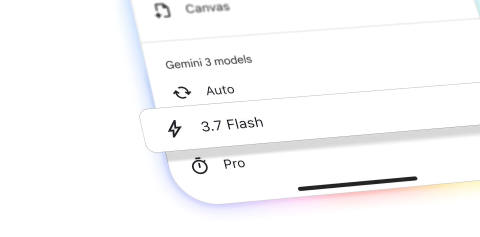
Google is rolling out its latest Gemini 3.7 Flash AI model to Search's AI Mode today for paid Pro and Ultra subscribers globally in English.

Google Search Console's URL inspection tool may display canonicals pointing to spammy sites, warranting closer review of canonical selections.

Misconfiguring Cloudflare can accidentally block Google from crawling your site, causing sudden ranking drops and indexation loss.

OpenAI is moving the Sources button from ChatGPT responses into a harder-to-find menu, reducing user visibility of source attribution.

Google has added a dedicated reporting mechanism for owner responses to reviews that violate community standards.

Google's crawlers self-declare their origin as Mountain View, California, but may actually be operating from the company's global data centers elsewhere.
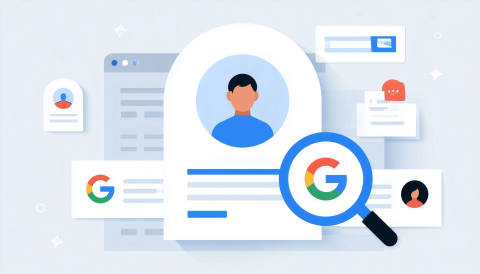
Google has reduced the minimum follower count for Search Profile eligibility to 35,000 across YouTube, Instagram, and X (down from 100,000), though TikTok still requires 100,000.

Google's Merchant Center for Agencies now allows linking up to 1,000 accounts, an increase from its previously undocumented limit.

Google is now rolling out AI-generated images within its AI Overviews search feature as announced previously.
Market leaders' uncertainty over SEO changes may weaken their competitive moat, giving smaller players a chance to gain ground.

Google documented that Merchant Center for Agencies can now link up to 1,000 client accounts, clarifying a previously unspecified limit.

Google will automatically migrate legacy Search campaign features to AI Max starting September 1, with Dynamic Search Ads following in February 2027.
Google is retiring manual language targeting in Google Ads next month, automatically routing ad selection via AI instead.
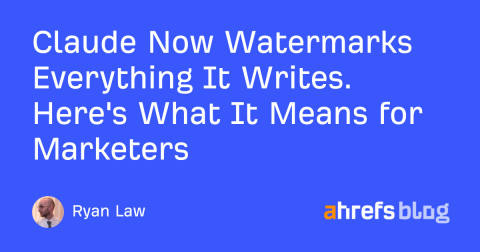
Anthropic's Claude is watermarking AI-generated content, but Ahrefs' research suggests this won't meaningfully impact SEO since Google ranks AI content already.
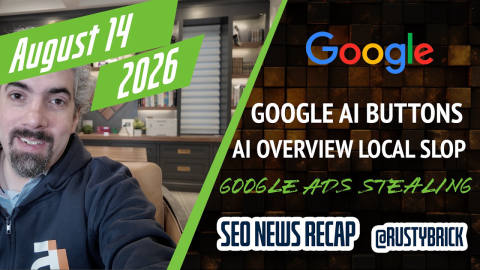
SERoundtable's weekly recap covers Google's AI home page tests, quality concerns in AI-powered local results, and Meta's web crawling activity that may signal a new search engine project.

Google is rolling out AI-generated images directly in AI Overviews, prompting immediate criticism from content creators over replacement concerns.

Google Merchant Center for Agencies now supports linking up to 1,000 client accounts, an increase from undocumented limits.

Google's Googlebot declares itself as coming from Mountain View, California, but actually crawls from various data centers worldwide depending on regional needs.

Google has launched a reporting feature allowing users to flag owner responses to reviews for violations like profanity, harassment, discrimination, or personal information disclosure.

SparkToro's founder argues that despite declining direct traffic, websites remain essential as owned-and-controlled hubs for content distribution, AI training, and brand positioning.
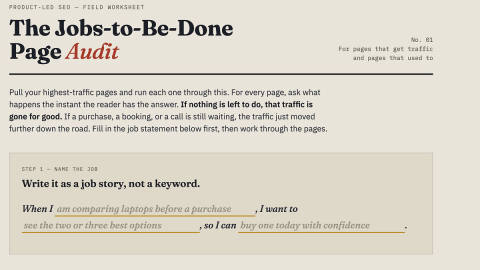
SEOFOMO News argues that search keywords are fundamentally proxies for user intent rather than the core job marketers should optimize around.

The most valuable off-page SEO signals come from integrating content, PR coverage, and outreach rather than pursuing links in isolation.
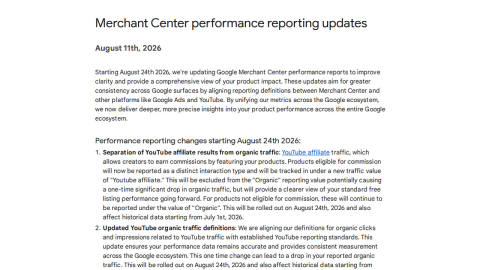
Google is unifying and clarifying Merchant Center performance reports starting August 24, 2026.

X has open-sourced its feed ranking algorithm and introduced tools letting users see if content moderation has suppressed their visibility.

Google is eliminating language targeting options from Search and Performance Max campaigns starting September 2026.

SEO professionals need to understand how LLM grounding—the distinction between static training data and real-time web retrieval—affects brand visibility in AI search results.