TL;DR Summary of Balancing Vibes and Facts in Modern Marketing
Optimixed’s Overview: Mastering the Art of Persuasive Marketing Through Facts and Feelings
The Shift from Pure Data to Emotional Storytelling
Today’s marketing landscape is shaped not just by raw data but by the emotional context that surrounds facts. While audiences are drawn to compelling narratives, the credibility of marketing claims depends on solid evidence. This duality reflects cognitive science findings like Daniel Kahneman’s fast and slow thinking and the affect heuristic, which explain how people form impressions quickly and later seek rational justification.
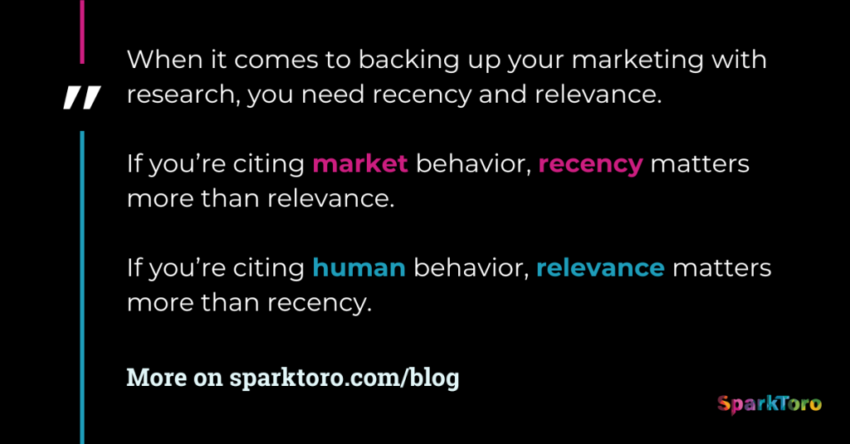
Choosing the Right Facts: Recency vs. Relevance
- Market Behavior: Prioritize recent data because market trends evolve rapidly. For example, annual industry surveys provide the freshest insights into changing market dynamics.
- Human Behavior: Prioritize relevance over recency since psychological principles and consumer motivations are more stable over time. Classic effects like the mere-exposure effect or the IKEA effect remain valid.
Four Key Uses of Facts in Marketing
- Establishing Context: Use credible data to show the problem your product addresses and why it matters. Examples include industry outlooks and economic indicators.
- Supporting Claims: Back up specific statements with appropriate evidence such as peer-reviewed studies or recent survey results to enhance trustworthiness.
- Demonstrating Impact: Provide verifiable internal metrics or customer testimonials that prove your product’s effectiveness.
- Acknowledging Opposition: Address potential objections with balanced facts and nuanced explanations to build credibility and trust.
Why Defensible Marketing Matters
As misinformation and selective acceptance of facts persist, marketers must adopt better judgment rather than louder voices. Crafting claims supported by relevant or recent evidence and wrapped in engaging stories is the hallmark of defensible marketing. This approach not only attracts attention but also withstands scrutiny when challenged, making it a vital skill in the increasingly complex digital landscape.