TL;DR Summary of How to Diagnose Team Problems with the Waterline Model
Optimixed’s Overview: Mastering Team Performance with the Waterline Model Framework
Introduction to the Waterline Model
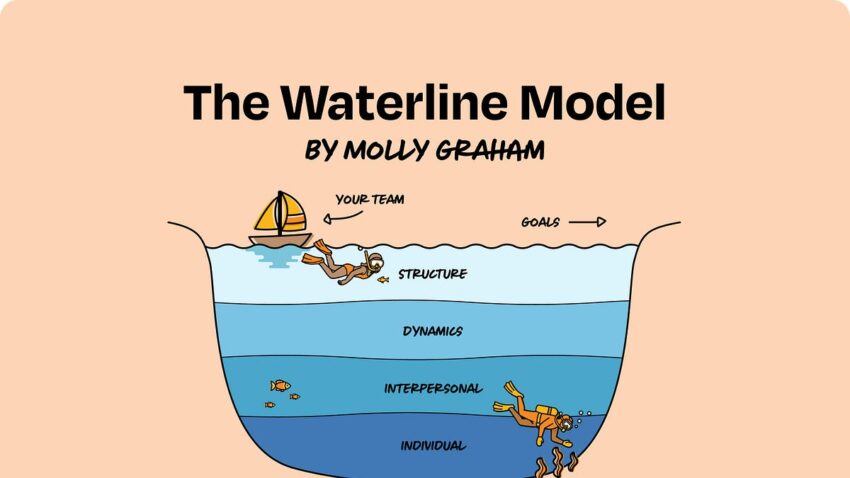
The Waterline Model is a practical leadership tool designed to help diagnose and solve team challenges by identifying the root causes of underperformance. Visualize your team as a boat moving through water toward a goal. When progress slows, it’s vital to look beneath the surface to understand what’s really causing friction rather than jumping to conclusions about individual shortcomings.
The Four Diagnostic Layers
- Structure: This top layer involves shared systems like vision, goals, roles, and expectations. Issues here often cause teams to row in different directions due to unclear or misaligned objectives.
- Dynamics: Day-to-day working relationships and team culture fall here. It includes how decisions are made, conflict resolution, and communication flow. Dysfunctional dynamics can cause teams to slow down or avoid risk, even with clear structure.
- Interpersonal: This layer focuses on direct relationships between individuals, such as trust issues or unresolved conflicts. Although sometimes the source of dysfunction, these problems often stem from higher-level structural or dynamic issues.
- Individual: The deepest layer concerns personal factors like skills, motivation, stress, or life circumstances. Individual issues should only be addressed after ensuring systems and relationships are healthy.
Applying the Model Effectively
Experts recommend a rule of thumb: “snorkel before you scuba.” Always start by examining structure and dynamics before moving to interpersonal or individual causes. For example, unclear roles or shifting decision authority can masquerade as personal performance problems but are actually system failures.
By clarifying goals and roles, leaders can often resolve many issues quickly. When dynamics are the root cause, leadership behavior and cultural norms must be adjusted to encourage speed, trust, and clarity. Interpersonal conflicts require direct conversations focused on impact and expectations. Finally, individual problems are managed with clear expectations, coaching, or role changes.
Conclusion: Why This Model Matters
The Waterline Model helps leaders avoid the costly mistake of blaming people prematurely. It encourages a systematic approach to diagnosing challenges, ensuring fixes address the true source of dysfunction. By using this layered framework, teams can achieve better alignment, healthier dynamics, and improved performance, all while preserving morale and retaining talent.