TL;DR Summary of Google Discover’s Minimal Alignment to Search Ranking
Optimixed’s Overview: How Google Discover’s Ranking Shift Empowers Smaller Publishers and Challenges Content Quality
Understanding Google Discover’s Ranking Approach
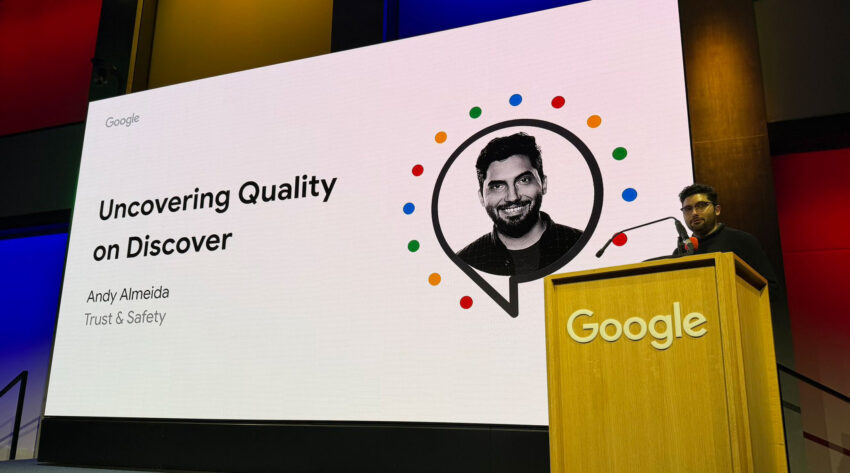
Recent insights shared by Andy Almeida from the Google Trust and Safety team reveal that Google Discover has moved towards a model with minimal alignment to traditional Search ranking. Unlike Google Search, which favors authoritative and well-ranked sites, Discover aims to showcase a broader spectrum of content, including from smaller publishers who may not rank highly in Search results.
Implications for Publishers and Content Visibility
- Greater Opportunity for Small Publishers: Sites that struggle to rank in Google Search can still achieve visibility through Discover.
- Reduced Dependence on Search Quality Signals: Discover uses different criteria to highlight content, allowing for more diverse and fresh content discovery.
- Increased Spam Risks: Easier access for new domains and lower thresholds for ranking may contribute to spam and lower-quality content surfacing in Discover feeds.
Balancing Content Promotion and Abuse Prevention
Almeida emphasized the delicate balancing act of promoting emerging and lesser-known content creators while combating spam and abuse within the Discover ecosystem. The updated approach provides the Google Discover team with tools to better address emerging content abuse without strictly relying on Search ranking signals.
Overall, this strategic shift broadens the content landscape in Google Discover but also requires vigilant management to maintain content quality and user trust.