TL;DR Summary of Tech Workforce 2026: AI’s Dual Impact on Careers, Burnout, and Optimism
Optimixed’s Overview: Navigating the Complex Realities of AI-Driven Change in Tech Careers
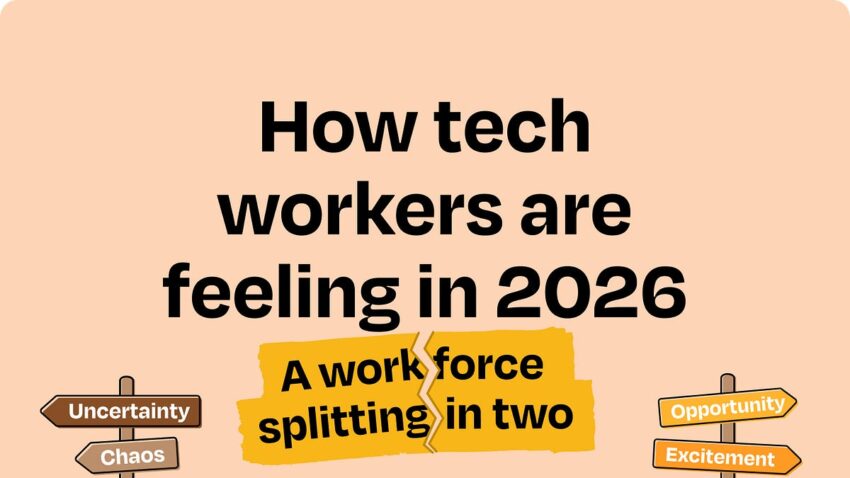
AI’s Divisive Effect on the Tech Workforce
In 2026, the tech workforce faces a split reality shaped by AI adoption. Nearly half (49%) feel amplified—their roles enhanced and more fulfilling—while a significant minority feel destabilized or diminished, grappling with uncertainty about their value and place in the industry. This AI identity is the strongest predictor of career optimism and willingness to recommend tech careers, overshadowing role, seniority, or company size.
Burnout and Career Sentiment Trends
- Burnout has climbed dramatically, with 55.7% reporting moderate to severe burnout, up from 44.7% in 2025.
- Career optimism has declined to 48.7%, signaling growing concerns about the future.
- Job enjoyment remains relatively stable, indicating people still find their work meaningful despite exhaustion.
- About 41% of tech workers worry about layoffs, strongly correlating with career pessimism.
- More than half (53%) would advise newcomers against pursuing their current tech roles.
AI-Driven Productivity Gains and Quality Concerns
While 82% acknowledge AI has made them more productive, many express concerns about quality decline and mental fatigue. Common sentiments include feeling overwhelmed by rising output expectations and diminished cognitive engagement.
Emotional Ambivalence Toward AI
Tech professionals commonly experience mixed emotions—curiosity and excitement coexist with tiredness and overwhelm. A striking 77% report both positive and negative feelings about AI, underscoring widespread ambivalence during this transformation.
Disparities by Role, Seniority, and Company Size
- Designers and researchers report the highest AI anxiety, burnout, and dissatisfaction with management.
- Founders and executives remain the happiest and most optimistic, benefiting from greater control and ownership.
- Smaller companies offer better work environments, with less burnout and more optimism than large enterprises.
- Early-career professionals face destabilization but paradoxically show higher optimism.
Manager Quality: The Most Crucial Factor for Well-being
Manager effectiveness remains the strongest influence on burnout, job enjoyment, and retention. Yet only a quarter of tech workers rate their managers as highly effective. Improving management quality offers the highest leverage to improve workforce morale and sustainability.
Industry Sentiment and Outlook
The tech industry is widely described as chaotic and fast-changing, with opinions split between excitement and dread. The prevailing feeling is one of disorientation amid rapid AI-driven shifts, with no clear consensus on whether this marks a crisis or a breakthrough.
Key Recommendations for Navigating AI’s Impact
- Focus deeply on impactful AI tasks rather than spreading oneself thin, to avoid overwhelm and maximize empowerment.
- Address the productivity squeeze by discussing workload and compensation transparently with managers.
- Prioritize strong management—seek or build relationships with effective managers to buffer stress.
- Consider smaller companies or entrepreneurship for greater autonomy and wellbeing.
- Support early-career talent with mentorship and deliberate development strategies as traditional learning paths shift.
- Be sensitive to design and research roles, where AI anxiety and managerial challenges are most acute.
- Recognize AI adoption as a sorting mechanism—help those destabilized rather than leaving them behind.
The 2026 tech landscape is one of profound change marked by simultaneous opportunity and strain. Success will depend on acknowledging the human element beneath AI’s rise and creating supportive environments where all workers can thrive amid disruption.