Key Takeaways
- Google’s indexing decisions are increasingly influenced by content quality, emphasizing unique insights and personal experiences.
- Technical issues, while less common, can still prevent pages from being indexed, as seen in cases involving improper use of robots.txt.
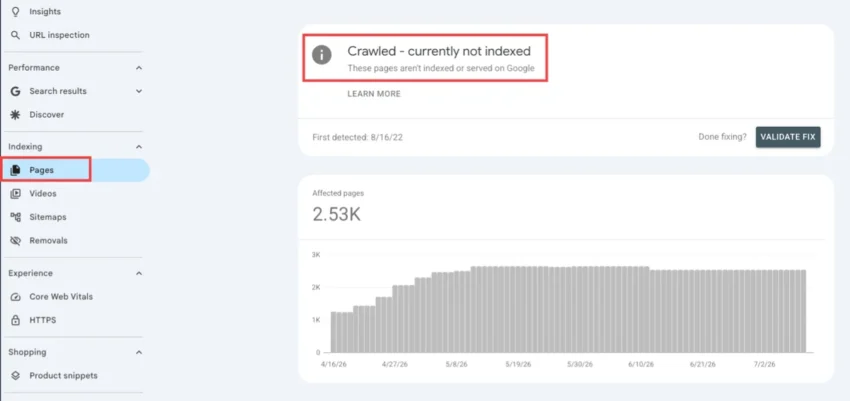
- Commodity content, which lacks originality, is a significant reason for pages being classified as “crawled-not currently indexed”.
- SEO strategies should focus on creating content that offers substantial value beyond what is already available online.
Optimixed’s Strategic Analysis
In today’s digital landscape, Google’s emphasis on indexing only high-quality content has become more pronounced. The shift towards prioritizing unique, experience-driven content over generic or “commodity” content is a clear signal to marketers and content creators. This change necessitates a strategic pivot from volume-based content strategies to those that prioritize depth, originality, and user engagement. As AI tools make content creation easier, the challenge lies in ensuring that content stands out not just in quantity but in quality and relevance.
Why This Matters
For marketers, the implications are clear: the era of mass-producing content to game search algorithms is waning. Instead, there is a growing need to invest in content that genuinely adds value to the user experience. This means leveraging unique insights, personal experiences, and expert knowledge to create content that not only meets Google’s indexing criteria but also resonates with audiences. Marketers should focus on developing content strategies that emphasize quality over quantity, utilizing tools like Google’s Search Console to monitor indexing status and adjust strategies accordingly.
Key Insights
- Technical Barriers: While rare, technical issues such as misconfigured robots.txt files can prevent indexing. Regular audits and live tests in Google Search Console can help identify and rectify these issues.
- Content Quality: Pages that fail to offer unique value are often left unindexed. Content should be evaluated for originality and depth, ensuring it provides insights or information not readily available elsewhere.
- AI’s Role: While AI can assist in content creation, it should not replace the need for human insight and originality. AI-generated content should be used to enhance, not replace, human-driven content strategies.
- SEO Strategy Shift: The focus should be on creating content that anticipates user needs and provides comprehensive answers, moving away from scaled content production that lacks depth.
A Note on Implementation
The article discusses tools like Google’s Antigravity for filtering and checking indexing status, which can be instrumental in managing and optimizing content indexing. Marketers should integrate these tools into their regular SEO practices to ensure that content remains visible and accessible in search results.