TL;DR
SEO rankings no longer provide a complete picture of visibility due to Google’s evolving search features like AI Overviews and personalized results. Businesses should focus on broader metrics such as click-through rates and conversions rather than solely on rankings, as these better reflect actual customer engagement and business growth.
Key Developments
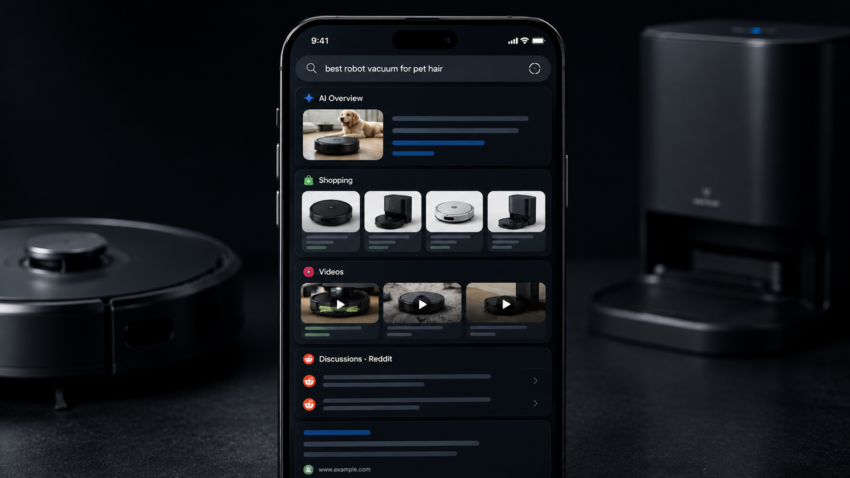
- Google’s search results now include various features like paid ads, AI Overviews, and local packs, which can push organic rankings further down the page.
- Personalized search results vary based on factors like location, device, and search history, complicating the interpretation of rankings.
- SEO rankings should be considered alongside other metrics such as impressions, click-through rates, and conversions to assess true visibility and performance.
- AI-driven search features are widening the gap between traditional rankings and actual visibility.
Optimixed Analysis
The shift in Google’s search landscape suggests that relying solely on rankings as a measure of SEO success is increasingly inadequate. As search results become more personalized and feature-rich, businesses should prioritize metrics that align with customer engagement and business outcomes. This approach requires a broader understanding of how different search features impact visibility and user behavior. The evolving nature of search underscores the need for SEO strategies that focus on comprehensive visibility rather than just ranking positions.
What to Watch Next
- Further developments in AI-driven search features and their impact on user behavior.
- Changes in Google’s search algorithms that may affect the visibility of organic listings.
- Metrics indicating shifts in user engagement, such as click-through rates and conversion rates.